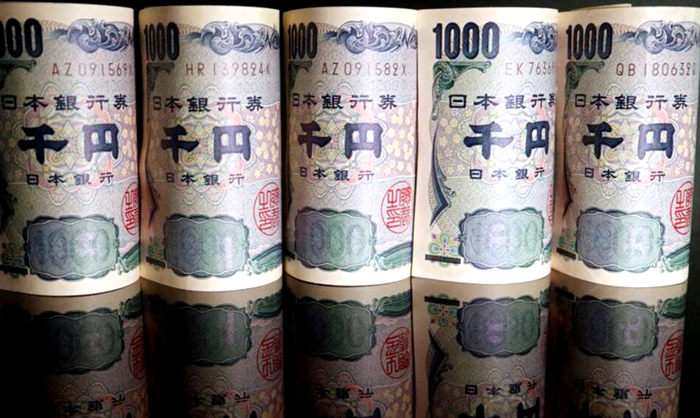
Singapore: On Thursday, the yen was stuck near a new 24-year low, and the pound lost some of its overnight gains as investors worried about the end of the Bank of England’s emergency bond-buying programme.
Investors in Asia were also on edge before a key inflation reading in the U.S. later in the day, which could give them a hint about how much higher the Federal Reserve will push interest rates.
Overnight, the dollar was worth 146.98 yen, and the yen was worth 146.87.
It is very close to its low point in August 1998, which was 147.64 yen per dollar. It is also well above its low point last month, which was 145.90 yen per dollar, which caused the Japanese government to step in and buy yen.
Rodrigo Catril, a senior currency strategist at National Australia Bank, said, “It’s no longer seen as a safe haven” (OTC:NABZY).
“There was a sense of caution around the previous high (for the dollar and yen), but now they’ve punched through it, and it feels like there’s a little bit more room to keep going because there hasn’t been any intervention.”
After a 1.25% rise in the previous session, sterling fell by 0.13% to $1.10845. This happened after the Financial Times reported that the BOE had privately told lenders that it was ready to extend its emergency bond-buying programme past Friday if the market needed it.
But the central bank later said again that its temporary programme to buy gilts will end on Oct. 14.
At the same time, Britain’s new government said on Wednesday that it would not go back on its huge tax cuts or cut public spending. This plan has caused havoc in the country’s financial markets.
Before the Bank of England’s deadline on Friday, UK pension plans are racing to raise hundreds of billions of pounds to cover derivatives positions.
Aside from that, the euro went up by 0.02% to $0.97035, while the antipodean currencies were still down after hitting new multi-year lows earlier in the week.
The Aussie was up 0.02% at $0.6279 after falling to a 2-1/2-year low of $0.62355 in the previous session.
The Kiwi rose by 0.10% to $0.5613, which is close to its lowest point since March 2020, which was $0.5536 on Tuesday.
In September, core inflation in the U.S. is expected to go up 6.5% from the same time last year. Last month, U.S. producer prices went up more than expected, according to data that came out overnight.
The value of the U.S. dollar rose to 113.29.
“In some ways, the U.S. Consumer Price Index (CPI) is still looking backward. You need to look at the parts and see if you can figure out any interesting momentum from them, “Saktiandi Supaat, who is in charge of FX research and strategy for the region at Maybank, said.
Minutes from the Federal Reserve’s policy meeting last month showed that officials agreed they needed to raise interest rates to a more restrictive level and keep them there for a while to reach their goal of lowering “broad-based and unacceptablely high” inflation. But the minutes also hinted that the rate of tightening money might slow down in the future.