Oil prices will lose gains in 2022 because of China’s protests, which make people worried about demand.

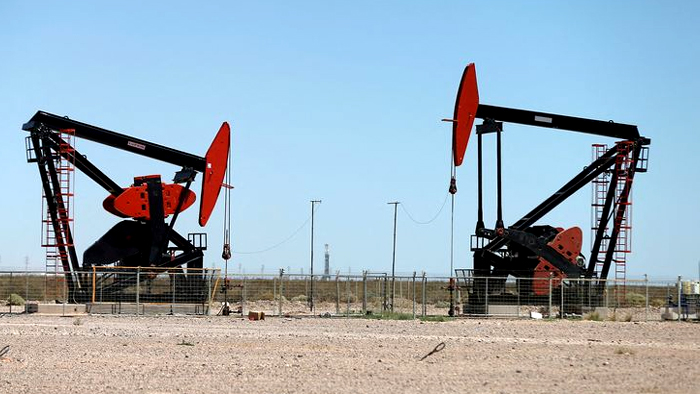
On Monday, oil prices dropped to almost their lowest levels of the year because of protests in China against strict COVID-19 curbs. China is the biggest crude importer in the world, and these protests made people worry about the future of fuel demand.
Brent crude fell $2.66, or 3.1%, to $80.97 a barrel at 1000 GMT. Earlier in the session, it fell more than 3% to $80.61, which was its lowest price since January 4.
The price of a barrel of U.S. West Texas Intermediate (WTI) crude fell by $2.39, or 3.1%, to $73.89. It hasn’t been that low since Dec. 22, 2021, when it was $73.60.
Related: China’s protests against the lockdown shake stocks and oil prices.
Both benchmarks hit their lowest levels in 10 months last week, and they have gone down for three weeks in a row.
“Political uncertainty caused by rare protests in Shanghai over the government’s strict COVID restrictions led to selling,” said Hiroyuki Kikukawa, general manager of research at Nissan (OTC: NSANY) Securities. “This was on top of growing worries about weaker fuel demand in China because of a rise in COVID-19 cases.”
Before an OPEC+ meeting this weekend and a G7 price cap on Russian oil, the markets seemed to be shaky.
Even though most of the rest of the world has eased most restrictions, China has stuck to President Xi Jinping’s “zero-COVID” policy.
Hundreds of protesters and police fought in Shanghai on Sunday night as demonstrations over the restrictions continued for a third day and spread to several cities after a deadly fire in the country’s far west.
The Organization of the Petroleum Exporting Countries (OPEC) and its allies, such as Russia, will get together on Dec. 4. This group is called OPEC+. In October, OPEC and other countries agreed to cut their production goal by 2 million barrels per day through 2023.
Meanwhile, diplomats from the Group of Seven (G7) and the European Union have been talking about putting a cap on the price of Russian oil between $65 and $70 per barrel. The goal is to stop Moscow from making enough money to pay for its military offensive in Ukraine without upsetting the global oil market.
But EU governments couldn’t agree on how much to cap the price of Russian oil, so the effect might be small.
Craig Erlam, a senior markets analyst at OANDA, said, “Talks will continue on a price cap, but it doesn’t look like it will be as strict as first thought, to the point where it may be borderline useless.”
“A $70 cap, for example, doesn’t pose much of a threat to Russian production because it already sells around that price.”
Related: Apple shares suffer as Foxconn turmoil puts iPhone shipments at risk.
The price cap is set to go into effect on December 5, the same day that the EU bans Russian crude.