Unilever (NYSE:UL) Plc said Thursday that consumers in Europe and China, two of its most important markets, are in a bad mood. However, the company raised its sales forecast for the full year as it raised prices to cover rising costs.
Since the war in Ukraine started, which drove up the cost of energy and key ingredients, Unilever’s profit margins have been squeezed, just like the rest of the consumer goods industry. Because of this, the company has sharply raised prices.
Europe’s consumer sentiment is at an all-time low.”He warned of fears of a “confluence of events” in Europe, where energy prices and inflation are going up and consumers’ savings are going down.
During the quarter, shoppers all over the world paid 12.5% more for Unilever products, which was a record price increase for the company. At the same time, the number of sales dropped by 1.6%. The company’s sales went up more than expected in the third quarter.
Related: Unilever CEO to quit next year as investors question the credibility
In morning trading, shares went up by about 1%.
Pitkethly told reporters, “Both the premium segments of the market and the value segments of the market are growing quite quickly, at about the same rate.”
But inflation and the promise of austerity in some countries have caused a crisis in the cost of living that is pushing some people to buy cheaper products, like those made by retailers under their own brand names.
“The basic needs of our European consumers, like utilities, transportation, and food, are taking up more of their money, and they tend to spend less on non-food items that aren’t necessary.”
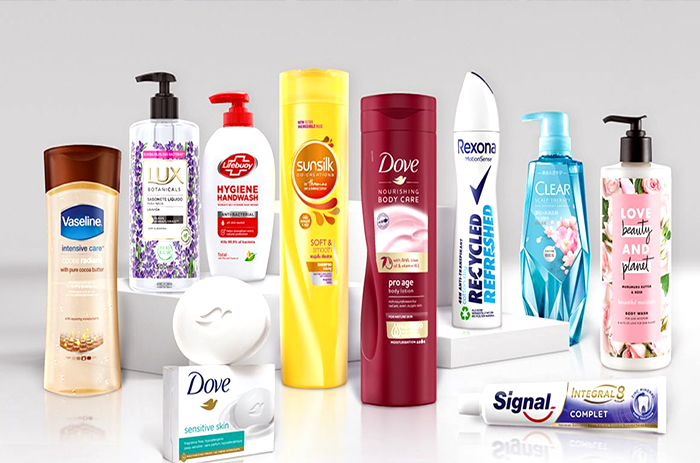
More than 400 brands, like Persil detergent and Ben & Jerry’s ice cream, are made by Unilever.
In China, which is Unilever’s third biggest market and where COVID-19 lockdowns have been stepped up, sales went up by 1%.
Pitkethly said, “The China number, 1%, was actually a competitive performance in a Chinese market that is still quite subdued because of continued lockdowns in China.” He also said that confidence in China is lower than in the past, and Unilever was not able to raise prices as much in the country.
Unilever said that it now expects underlying sales growth for the whole year of 2022 to be above 8%. In July, the company said it thought it would do better than its previous prediction of 4.5% to 6.5% growth.
As we’ve seen with other companies in the industry, raising prices while maintaining sales growth is becoming increasingly difficult. The drop in sales of 1.6% from Q3 isn’t that bad.