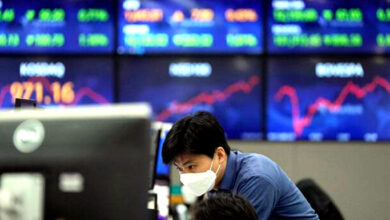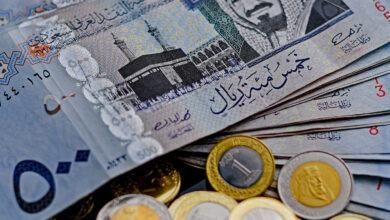
Most Asian currencies fell on Thursday Hawkish comments from the Federal Reserve showed that U.S. interest rates are likely to stay high for longer, and weak economic data from China also made people less optimistic about the region.
The Chinese yuan dropped 0.2% and traded close to a near 15-year low after a private survey showed that the country’s services sector shrank more than expected in October due to COVID-related problems.
The data also put an end to rumours that China was going to cut back on lockdowns because of COVID. The possibility of China reopening was fueled by rumours on social media, and Asian currencies gained this week because China is a major trading destination for the region.
But government officials didn’t say anything about rumours on social media that the country’s policy of “zero COVID” will be phased out by March 2023.
The Thai baht and the Malaysian ringgit both lost about 0.2% of their value. In slow trading due to the holidays, the Japanese yen went up by 0.4%.
After the Federal Reserve raised interest rates by 75 basis points (bps) on Wednesday, as expected, the dollar index and dollar index futures both went up by 0.5%.
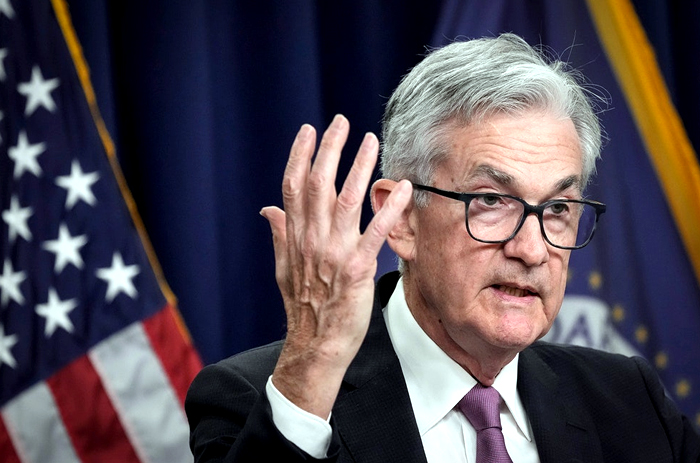
Fed Chair Jerome Powell shot down rumours that the bank plans to stop raising interest rates and said that the Fed is going to keep raising rates for longer than people thought at first. Powell said that the U.S. interest rates, which are at their highest level since the financial crisis of 2008, will peak at a much higher level than was first thought. This is because inflation has stayed high for a long time.
Even though the Fed Chair also brought up the possibility of smaller rate hikes in the future, most risky markets fell because of his overall hawkish tone. Still, most traders now plan for a 50-bps increase in December.
The Indian rupee dropped 0.2% and is now near record lows after the Reserve Bank of India started an off-cycle meeting to talk about the country’s high inflation. Even though the markets expect the bank to keep interest rates at their highest level in three and a half years, the bank is likely to warn of higher-than-expected inflation in the coming months.
The Australian dollar was the only one of the antipodean currencies to go against the trend and go up by 0.3%. Australia’s trade surplus rose by a lot more than expected in September, according to data released on Thursday. This was mostly due to strong exports of fuel.
The Reserve Bank is likely to have more economic room to keep raising interest rates because of the strong data.