


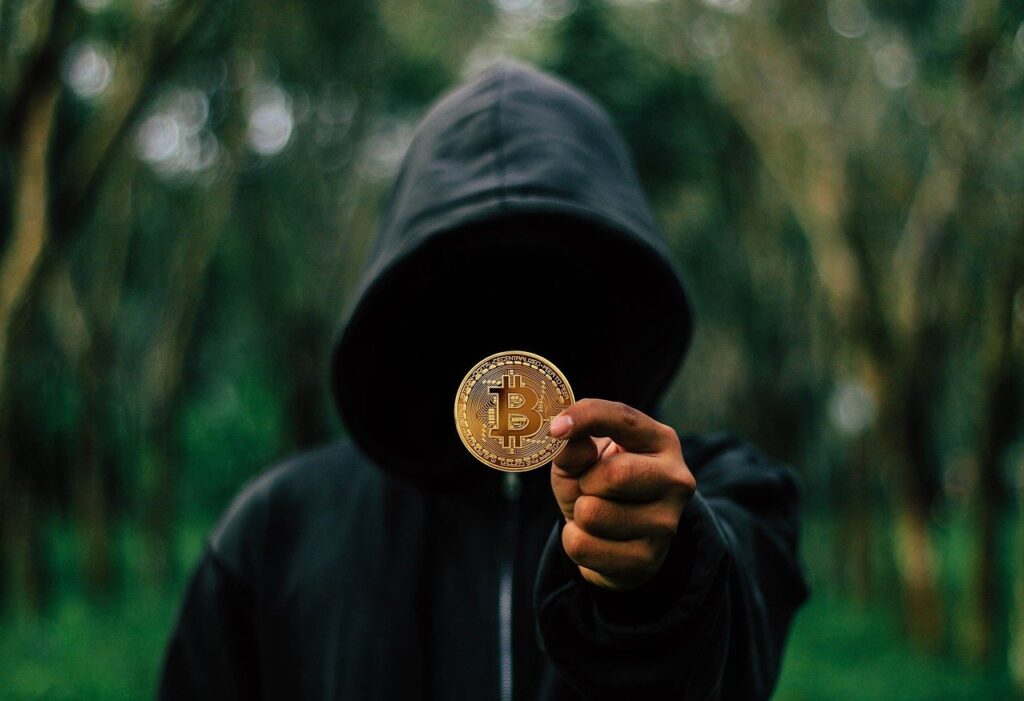
As bitcoin approaches mainstream maturity in 2022, bold cryptocurrency investors are looking for new sources of explosive activity in the form of “altcoins” that power online games and virtual worlds.
However, be advised that the unformed metaverse’s foothills are not for the faint of heart.
The price of Bitcoin, which had been generally down along with the rest of the market since late 2021, has climbed almost 16% in the last two weeks to well beyond $41,000, causing many market participants to call an end to the “crypto winter.”
Younger and smaller currencies that are linked to virtual platforms have seen bigger rises during the hype about the metaverse. This is because the metaverse is becoming more popular.
For example, those utilised on gaming platform Axie Infinity and 3D virtual environment Decentraland—the Axie and Mana—have increased by 35% and 57%, respectively, since January 24. According to CoinMarketCap, the Gala gaming platform’s token has increased by 125 percent.
“When people think of cryptocurrencies, they often think of bitcoin, said Ed Hindi, chief investment officer of Tyr Capital, a Swiss cryptocurrency hedge fund. “However, this overlooks the reality that cryptocurrency is not a zero-risk asset class.
To put things in perspective, the total market capitalization of Axie, Gala, and Mana is around $12.7 billion, a fraction of the $800 billion-plus market capitalization of bitcoin, which controls 40% of the market.
Certain investors are turning to altcoins to diversify their holdings as bitcoin, which is 13 years old, and ether, which is number two, increasingly track regular stock markets and become more vulnerable to macroeconomic trends.
Multi-asset funds that manage a mix of currencies saw inflows of $32 million in the week ending January 28, the highest weekly amount since June 2021, according to CoinShares data. This could be a sign of this trend.
However, the novelty of many of these currencies and the resulting lack of track records greatly increases the risk for investors in an already perilous and ambiguous crypto market. Additionally, the fate of companies like Axie and Gala is contingent on the success of their game platforms and the broader virtual economy.
The blockchain’s base
Nonetheless, delving deeper into the virtual plumbing, some market observers assert that the growing interest in the metaverse benefits altcoins that operate on the blockchain’s “Layer 1” protocol, the foundational layer upon which smart contracts between buyers and sellers are written in code and on which virtual games and worlds are built.
They include Ethereum’s ether and its rivals, Solana and Polkadot, which have gained 27 percent, 28 percent, and 23 percent, respectively, during the last two weeks.
“A lot of people are sensing this as a buying opportunity, and what they are purchasing is overwhelmingly high-quality blue chip alts over bitcoin right now,” said Hany Rashwan, chief executive officer and co-founder of crypto fund manager 21Shares, with offices in New York and Zurich, referring to Layer 1 coins such as Avalanche, Polygon, and Terra.
If you’ve created a thesis around smart contracts, now is an excellent time to invest.
What is the future of Bitcoin?
A lot of people are still hedging their bets on bitcoin, even though the value of the main cryptocurrency has almost doubled since early December. Hedging and other statistics show that this is not a sure thing.
Will Hamilton, head of trading and research at Trovio Capital Management, points to the fact that futures funding rates have stayed negative since early December, implying that traders are paying to go short. This isn’t all: He says options data shows that the put/call ratio, or the ratio of sellers to buyers, has hit a high of 58 percent, which was last seen in May and July of 2021.
“Throughout this stabilisation phase, developments in the options market imply that traders are still betting on additional downside,” he added.