


In early European trading on Wednesday, the U.S. dollar levelled off after making big gains the day before because of a hotter-than-expected report on U.S. inflation.
At 07:00 GMT, the Dollar Index, which compares the dollar to a basket of six other currencies, was mostly unchanged at 109.510, after rising 1.5% overnight, its biggest one-day percentage gain since March 2020.
In August, U.S. inflation was higher than expected. In particular, the so-called “core CPI” rose by a huge 0.6%, which was twice as much as was expected. This pushed the annual core inflation rate up from 5.9% in July to 6.3%. It hasn’t been that high since March, when it hit a 40-year high.
Related: The rupee keeps losing value against the dollar in interbank markets.
This makes it almost certain that the Federal Reserve will raise interest rates by a lot when its policymakers get together next week.
The markets have already priced in a high chance that the Fed will raise rates by 75 basis points next week, but now people are also thinking about the possibility of a full 1% rate increase.
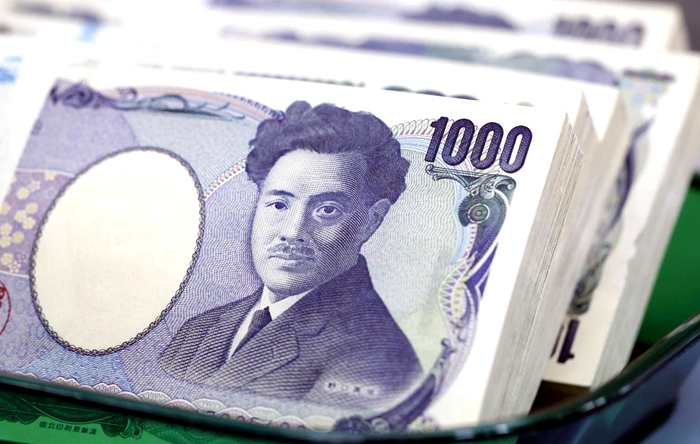
Still, USD/JPY fell 0.8% to 143.42, and the yen bounced back from a 24-year low seen the night before. This was due to reports in Japanese media that the Bank of Japan had checked its interest rates, raising concerns among traders that it was preparing to intervene to help the struggling currency.
Japanese Finance Minister Shunichi Suzuki also said that recent changes in the yen have been “rapid and one-sided,” which could lead the government to support the currency.
Aside from that, EUR/USD went up 0.1% to 0.9976, but it stayed below parity because it fell yesterday.
Even though the European Central Bank raised rates by a historic 75 basis points last week and several policymakers hinted at more hikes to come, the euro fell in value.
On Tuesday, Gediminas Simkus, the head of the Lithuanian central bank and a member of the Governing Council, said that the central bank should raise interest rates by at least a half-point at its October meeting.
“Inflation is going in a strong direction,” he said. “Therefore, there needs to be at least a 50 basis-point increase” next month, he said.
GBP/USD went up 0.1% to 1.1498, trying to make up for a 1.6% drop overnight. This was despite the fact that U.K. inflation dropped back below 10% in August, as falling fuel prices took some of the heat out of the ongoing cost-of-living crisis.
Related: The rupee keeps losing value against the dollar in interbank markets.
Still, the pound only lost a small amount on Wednesday because core inflation stayed high. This seems to show that the drop in fuel prices helped the headline inflation numbers.
AUD/USD fell 0.2% to 0.6715, adding to the big 2.3% drop that the risk-sensitive currency had overnight. USD/CNY went up 0.6% to 6.9658, and the yuan dropped close to a two-year low after Reuters said the U.S. was thinking about putting sanctions on China to stop it from invading Taiwan.