


COLOMBO: Sri Lankan consumer prices rose a record 14% in December, topping the previous month’s high of 11.1 percent, according to government numbers released on Saturday, as food and fuel shortages intensified.
Senior officials warned parliament earlier this week of a rising food crisis, with March rice harvests projected to be dramatically lower due to an agrochemical import restriction last year, which resulted in farmers leaving more than 30% of agricultural land.
The epidemic has wreaked havoc on the island’s tourism-dependent economy, prompting the government to impose extensive import restrictions in order to avoid a foreign exchange crisis, resulting in a lack of vital products.
According to the Census and Statistics Department, year-on-year inflation was the highest in December since the National Consumer Price Index (NCPI) was created in 2015.
It also reported that food inflation had reached a new high of 21.5 percent, up from 16.9 percent in November and 7.5% a year earlier.
The use of subpar organic fertiliser and pesticides has resulted in a significant decrease in vegetable and fruit crop output.
The government eased its agrochemical import restriction in October, following heavy farmer protests, but banks are still short of funds to finance imports.
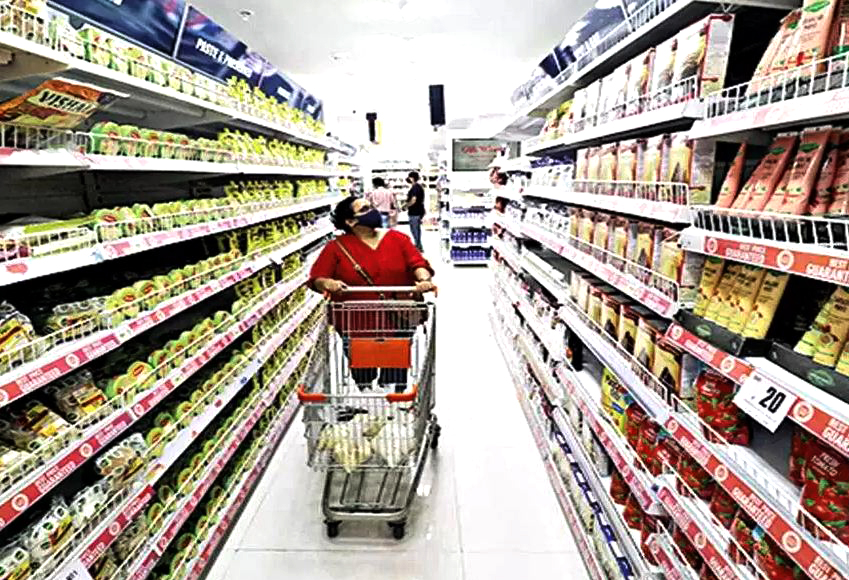
For months, supermarkets have been restricting milk powder, sugar, lentils, and other necessities, with a top official warning last month of more limitations to feed the most vulnerable.
On the other hand, Agriculture Ministry Secretary Udith Jayasinghe, on the other hand, was fired just hours after advocating for a formal rationing program to guarantee that mothers, the elderly, and the sick were nourished in the coming months.
Since President Gotabaya Rajapaksa entered office in 2019, Sri Lanka’s foreign reserves have plummeted, falling from $7.5 billion in January to $3.1 billion at the end of December. The current sum is insufficient to cover less than two months’ worth of imports.
International rating agencies have downgraded Sri Lanka due to concerns about the country’s $35 billion international debt default. The administration has asserted that it is capable of meeting its responsibilities.